China has escalated its military presence near Taiwan with one of its largest naval exercises to date, deploying over 100 ships and reportedly conducting a submarine-based missile test. The maneuvers, conducted in the western Pacific, have intensified concerns among regional allies, including the United States and Japan.
China’s unprecedented naval surge near Taiwan
Beijing’s latest military demonstration around Taiwan involved over 100 naval vessels, including ships from multiple Chinese military commands and the Liaoning carrier strike group. The exercises, which began in early November, were conducted without prior official announcement, raising questions about their true objectives.
The scale of the operation—spanning the Taiwan Strait and the western Pacific—suggests a coordinated effort to test operational capabilities, including blockade scenarios, maritime control, and counter-intervention strategies. According to Taiwanese security sources, the drills included simulations targeting not only Taiwan but also foreign military forces and regional cities.
By late November, approximately 70 of these vessels remained within the “first island chain,” a critical maritime boundary closely monitored by regional powers.
Suspected submarine missile launch raises strategic alarms
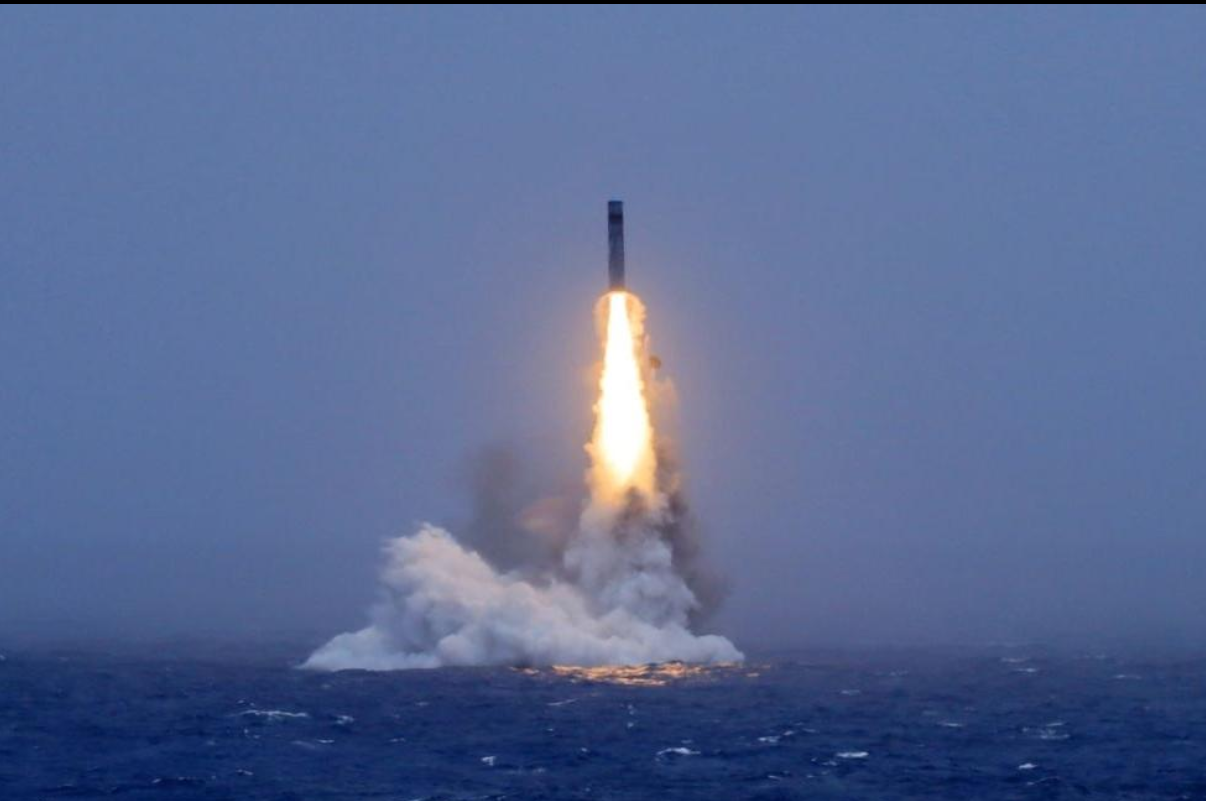
A high-ranking Taiwanese security official disclosed that a Chinese submarine launched a suspected ballistic missile during the exercises. The test, reportedly conducted in the Yellow Sea toward mainland China, underscores Beijing’s growing focus on nuclear-capable underwater deterrence—a capability that complicates detection and countermeasures.
While unverified at this stage, the reported launch highlights China’s advancing strategic submarine fleet, a cornerstone of its nuclear triad. The ambiguity surrounding the missile’s classification and trajectory leaves room for interpretation, but its potential implications for regional stability are undeniable.
Silent intimidation: Why China’s military remains under the radar
Analysts suggest that China’s decision not to publicly acknowledge the exercises follows a pattern of “silent intimidation.” Unlike overt displays of force, these maneuvers rely on plausible deniability while applying psychological pressure on Taiwan and its partners. The strategy allows Beijing to gauge international reactions, assess surveillance gaps, and refine its military coordination without triggering immediate diplomatic backlash.
The timing of these drills—just days before the APEC summit in Shenzhen—has further fueled speculation about Beijing’s broader intentions. However, no direct evidence links the exercises to the summit.
Regional repercussions: Japan, the US, and the G7 respond
The military buildup has drawn sharp attention from neighboring powers. Japan, already on high alert due to its proximity to Taiwan, faces potential disruptions to maritime trade routes, energy supplies, and US military logistics. The United States, meanwhile, is closely monitoring developments, wary of any strategy that could restrict its ability to intervene in a crisis scenario.
On November 11, G7 foreign ministers issued a joint statement expressing concerns over China’s military activities east of Taiwan. The statement emphasized risks to regional stability, freedom of navigation, and international maritime security—a clear signal of growing western unease over Beijing’s assertive posture.
Taiwan’s strategic dilemma: Preparing for an uncertain future
For Taipei, the implications are stark. While there is no immediate evidence of an imminent attack, China’s ability to deploy overwhelming naval force and conduct advanced missile tests represents a sustained pressure campaign. The question is no longer whether China can project power but how far it will go to reshape the status quo without triggering open conflict.
With regional tensions at their highest in decades, the world watches as Beijing redefines the rules of engagement in one of the world’s most critical maritime corridors.