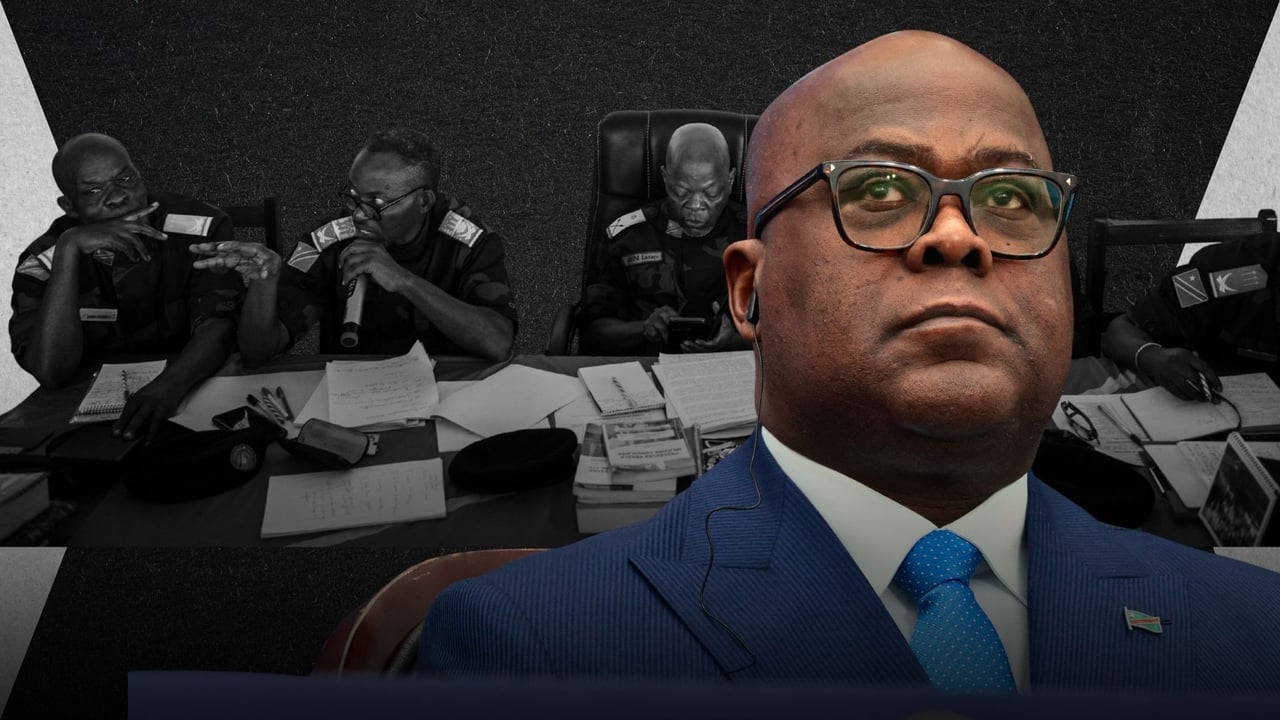
The Democratic Republic of Congo is once again grappling with the contentious issue of capital punishment, a sanction that has sparked sharp divisions among policymakers and the public alike.
Revival of a controversial sanction
The recent push to reinstate the death penalty has intensified discussions across political and social circles. While some argue it serves as a strong deterrent against heinous crimes, others condemn it as a violation of fundamental human rights.
The legal landscape
The Congolese legal system has seen fluctuating stances on capital punishment. Historically imposed for severe offenses, its application has been inconsistent, reflecting broader societal and political shifts.
Public reactions and political divides
Citizens are sharply split on the issue. Advocates emphasize its potential to curb violent crime, while opponents highlight concerns about wrongful convictions and the irreversibility of such penalties. Political figures remain equally divided, with some endorsing stricter measures and others advocating for abolition.
Voices from the ground
Victims’ families and human rights organizations have weighed in, adding emotional and ethical dimensions to the debate. Their testimonies underscore the complexity of balancing justice, deterrence, and morality.
International perspectives
Global trends toward abolition have influenced domestic discussions, with critics pointing to the inefficacy of capital punishment in reducing crime rates. Meanwhile, supporters argue for its necessity in addressing extreme cases of violence.
Looking ahead
The future of the death penalty in the Democratic Republic of Congo remains uncertain. As the debate rages on, the nation stands at a crossroads, weighing tradition against progress and justice against humanity.