Morocco dedicates longest African highway to Donald Trump in Western Sahara
An unprecedented gesture of gratitude, Mohammed VI honors the former US president with a 1,055-kilometer infrastructure linking southern Morocco to the contested Western Sahara.
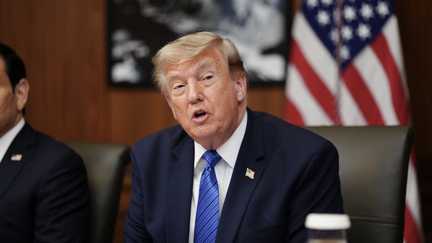
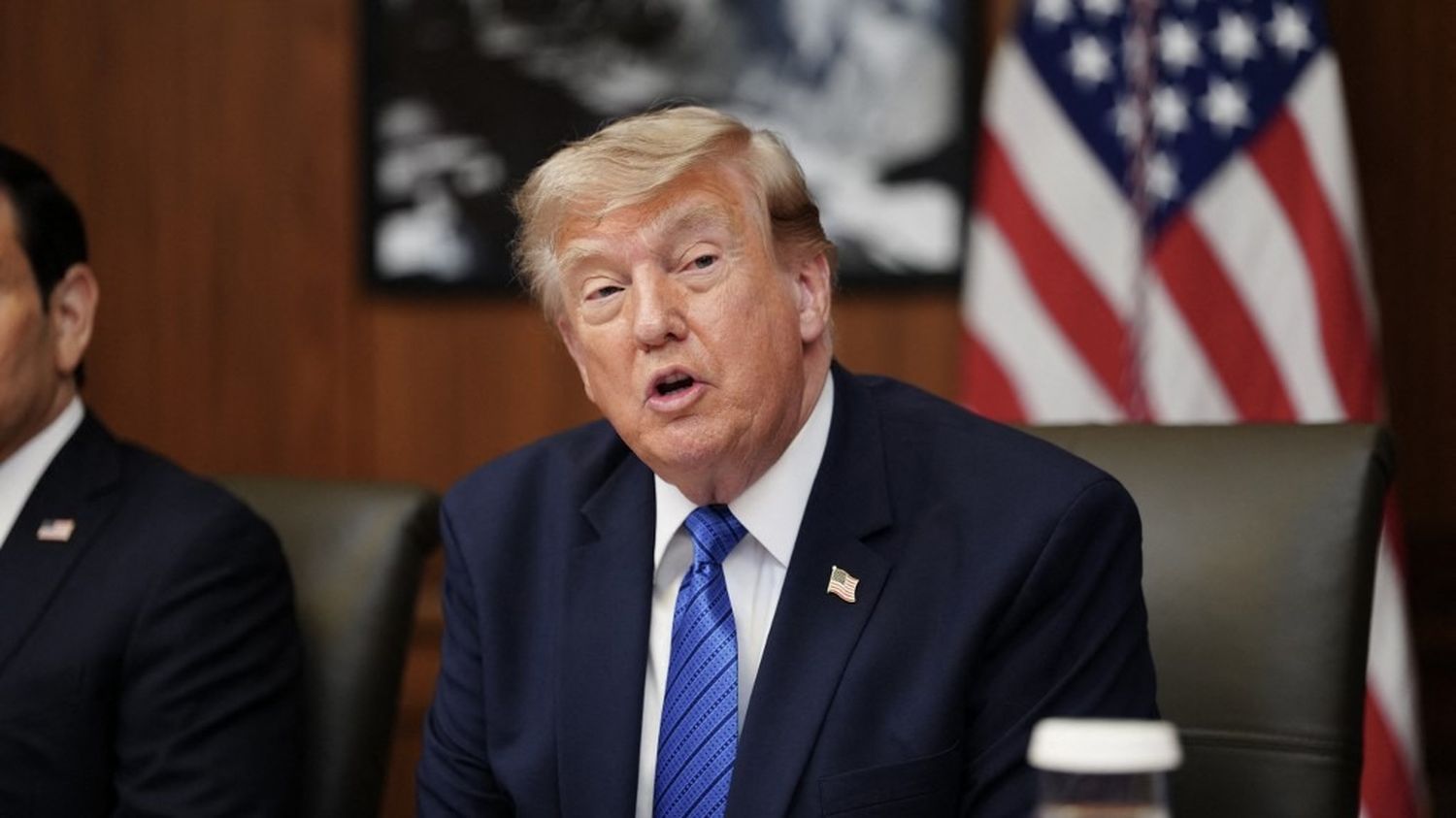
The Moroccan kingdom has officially named the Tiznit-Dakhla expressway after former US President Donald Trump, marking a historic milestone in bilateral relations. The announcement, made public by the official Moroccan Press Agency (MAP), follows a letter from King Mohammed VI to President Trump on July 2, expressing appreciation for the “historic recognition of Morocco’s sovereignty over its Sahara in 2020.”
The 1,055-kilometer route, now designated the “Donald J. Trump Highway,” stands as “Africa’s longest road infrastructure,” according to the King’s statement. The decision underscores the enduring impact of Trump’s 2020 decision to recognize Morocco’s claim to Western Sahara—a move that reshaped diplomatic dynamics in the region.
In response, Donald Trump took to his social media platform Truth Social on July 26, expressing enthusiasm: “A tremendous honor! I can’t wait to drive this incredible highway one day—hopefully soon! Thank you, Your Majesty Mohammed VI.” While his message resonated widely, no official confirmation from Rabat has been issued regarding his remarks.
Western Sahara remains a contested territory
The Western Sahara, a former Spanish colony, has been the subject of a prolonged territorial dispute since Morocco annexed the region in 1975. The Polisario Front, a Sahrawi independence movement, continues to advocate for self-determination through diplomatic channels and, at times, armed resistance. The international community remains divided on the issue, with some nations, including the United States under Trump’s administration, formally recognizing Morocco’s sovereignty over the territory.
A strategic infrastructure with far-reaching implications
The newly christened highway spans from Tiznit in southern Morocco to Dakhla, a coastal city near the Mauritanian border. This colossal project not only facilitates transportation and economic connectivity but also symbolizes Morocco’s commitment to strengthening its presence in the region. Infrastructure experts highlight its potential to boost trade, tourism, and regional integration, positioning Western Sahara as a key hub in North Africa.
The road’s inauguration comes amid Morocco’s broader efforts to assert its territorial claims while fostering economic development in the disputed region. Observers note that such gestures are carefully calibrated to reinforce Rabat’s diplomatic alliances and solidify its strategic positioning.