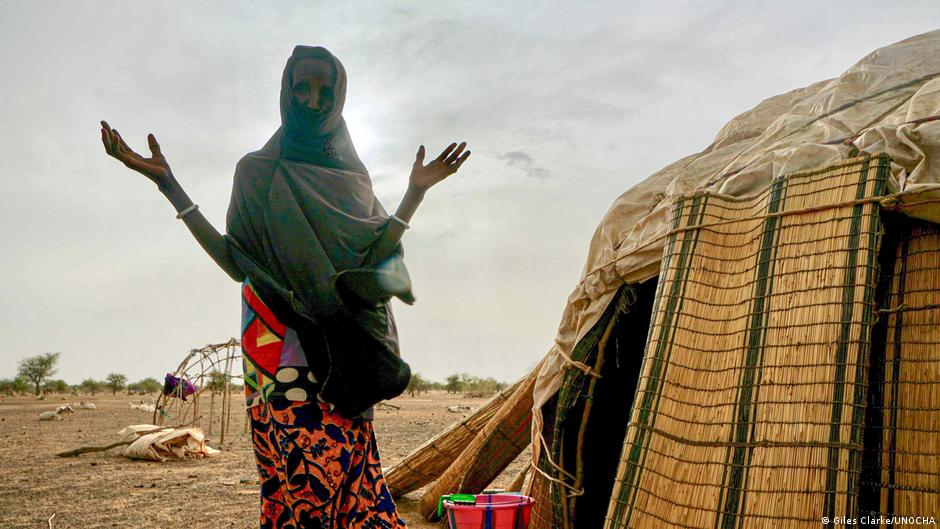
One in Five Sahel Inhabitants Faced Hunger in 2025
In 2025, nearly 20% of Sahel residents endured food insecurity, a figure that has risen sharply over the past 15 years. The situation remains particularly dire in northern Mali, where ongoing conflicts and climate pressures have compounded the crisis.
Underlying causes of the Sahel food crisis
Fanta Touré Diop, West and Central Africa regional representative for Action Against Hunger, highlights three key drivers behind the worsening food insecurity in the Sahel:
- Escalating conflicts: Violence has restricted access to farmlands and markets, displacing millions. Northern Mali remains the epicenter of this instability, with civilians fleeing to safer regions like Bamako and Sikasso.
- Climate change: Erratic rainfall and prolonged droughts have devastated crops, shrinking harvests across the region.
- Funding shortfalls: Reduced international aid has crippled emergency responses, leaving 57 million people across West and Central Africa—including 24.3 million in the Sahel—without adequate support.
The financial gap is stark: only 21% of the required $3.7 billion has been secured to address immediate needs, including nutrition for 11.3 million women and children.
Urgent calls for coordinated action in northern Mali
Northern Mali’s vulnerability stems from its geographic isolation and the presence of armed groups. Diop emphasizes the need for a unified strategy involving:
- Mali’s government leadership to coordinate responses;
- Local civil society and UN agencies to deliver targeted aid;
- Sustainable policies to build resilience against future shocks.
She stresses that political will is the foundation for progress. “Without strong leadership and reliable data, even the best-intentioned plans will fall short,” she warns.
Long-term solutions beyond emergency aid
While urgent food assistance remains critical, experts argue for investments in:
- Climate-resilient agriculture: Training farmers to adapt to changing weather patterns.
- Infrastructure development: Improving roads and storage facilities to reduce post-harvest losses.
- Economic empowerment: Supporting local markets and livelihoods to reduce dependency on aid.
The crisis demands more than temporary fixes. As Diop notes, “The Sahel’s future hinges on proactive measures—not just reacting to disasters.”
Global responsibility in addressing the Sahel hunger crisis
The international community’s reduced funding has left a void in humanitarian operations. With needs far outpacing resources, stakeholders must prioritize:
- Increased financial commitments to close the $2.9 billion funding gap;
- Enhanced collaboration between governments, NGOs, and regional bodies like the African Union;
- Community-driven solutions to ensure lasting impact.
The fate of the Sahel’s most vulnerable populations rests on decisive action now—before the situation deteriorates further.