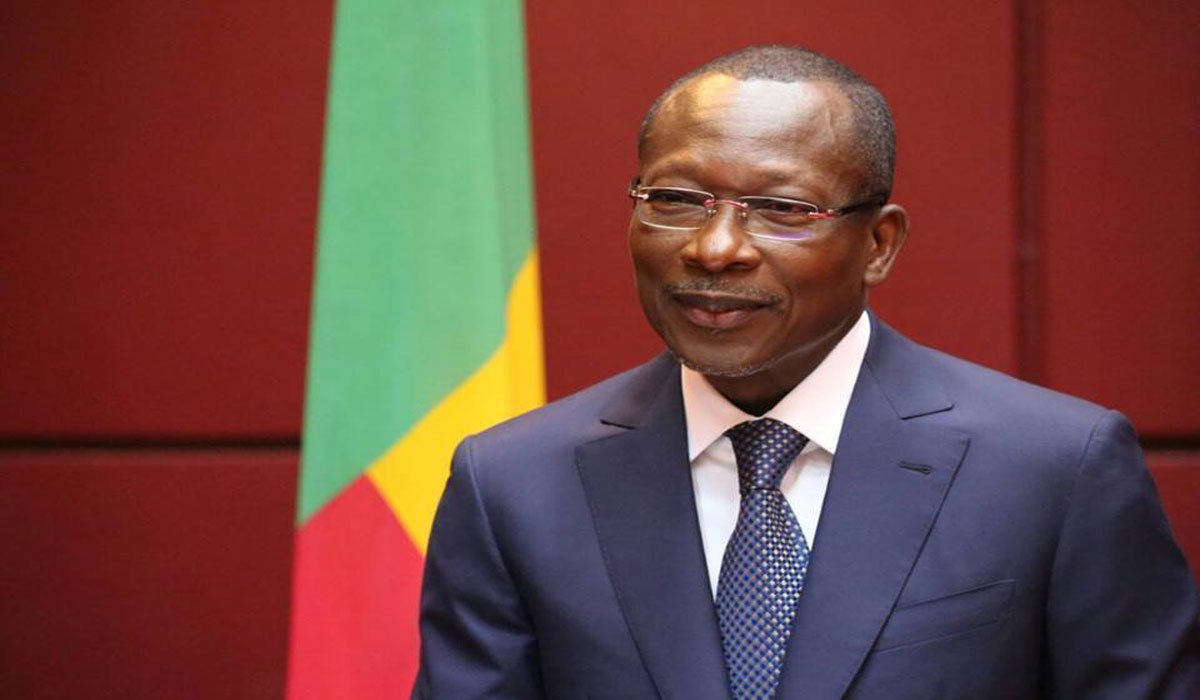
This Thursday, August 6, 2026, marks a significant and unprecedented moment in Bénin’s political history. Convening at the historic Palais des Gouverneurs in Porto-Novo, members of the nation’s newly established upper legislative chamber elected former Head of State, Patrice Talon, to preside over Bénin’s very first Senate in its bicameral era.
After a decade at the helm of the executive branch, from 2016 to 2026, the architect of the “Nouveau Départ” demonstrates a distinct political trajectory, proving that in West Africa, the post-presidency period does not necessarily equate to political retirement or self-imposed exile.
A return to institutional prominence
Patrice Talon’s overwhelming election to lead the Senate is the culmination of a pivotal constitutional reform that redefined Bénin’s institutional framework.
- A chamber of regulation: Comprising 25 members, including former heads of state who serve by right, the Senate was conceived to function as a vital stabiliser and a guardian of national unity.
- A role of counsel and wisdom: By taking charge of the institution’s permanent bureau, Patrice Talon retains considerable political influence, positioning himself as a key regulator of democratic life, interacting with both his successor and the National Assembly.
Is there political life after the Palais de la Marina?
Within an African political landscape often characterised by the allure of a third term or an abrupt withdrawal from public affairs, Patrice Talon’s journey presents a unique path:
- Respecting constitutional limits: By gracefully ceding the supreme magistracy at the conclusion of his two legal terms, the former president firmly established the tradition of political alternation in Bénin.
- Reinvention through legislative power: Rather than pursuing international roles or retreating into private enterprise, he chose to institutionalise his influence by presiding over the upper chamber.
- A statesman’s regulatory stature: In the Senate, where he sits alongside other distinguished figures from Bénin’s history, Patrice Talon positions himself as an arbiter for the country’s stability and ongoing reforms.
Key takeaways from Patrice Talon’s senate leadership
Patrice Talon’s election as President of the Senate on August 6, 2026, exemplifies an evolving model of governance in Africa. It clearly demonstrates that a former president can continue to contribute their invaluable experience at the highest levels of the state, even after transferring executive power. This dynamic of institutional maturity is a development worth closely observing across the entire region.