
Cameroon’s President Paul Biya has concluded yet another extended stay in Switzerland, prompting fresh questions about the state of the nation’s leadership. The unusually prolonged visit, which has drawn significant attention, comes as the veteran leader’s health and political future remain subjects of ongoing debate.
This latest chapter in Paul Biya’s diplomatic and personal engagements abroad has reignited discussions among observers and citizens alike. With the President spending months outside the country, concerns have resurfaced regarding governance continuity and the transparency of his activities.
An unprecedented duration in Switzerland
Paul Biya’s current sojourn in Switzerland has set a new record in terms of length, surpassing previous trips by a substantial margin. The visit, which began weeks ago, has now entered its most extended phase, raising eyebrows across political circles and beyond.
The timing of this prolonged absence is particularly noteworthy. It coincides with a period of heightened regional tensions and domestic challenges, further amplifying the need for clarity regarding the President’s whereabouts and decision-making processes.
Silence and speculation
As is often the case with prolonged foreign trips, official communications have remained sparse. The Cameroonian government has provided minimal updates on Paul Biya’s activities, leaving a void filled by rampant speculation. This lack of transparency has only served to deepen public skepticism and fuel rumors about the President’s health and political standing.
Critics argue that such extended absences without adequate explanation undermine public trust and raise concerns about the nation’s stability. Meanwhile, supporters point to the President’s long-standing experience and resilience, suggesting that age has not diminished his capacity to lead.
Family presence and diplomatic dynamics
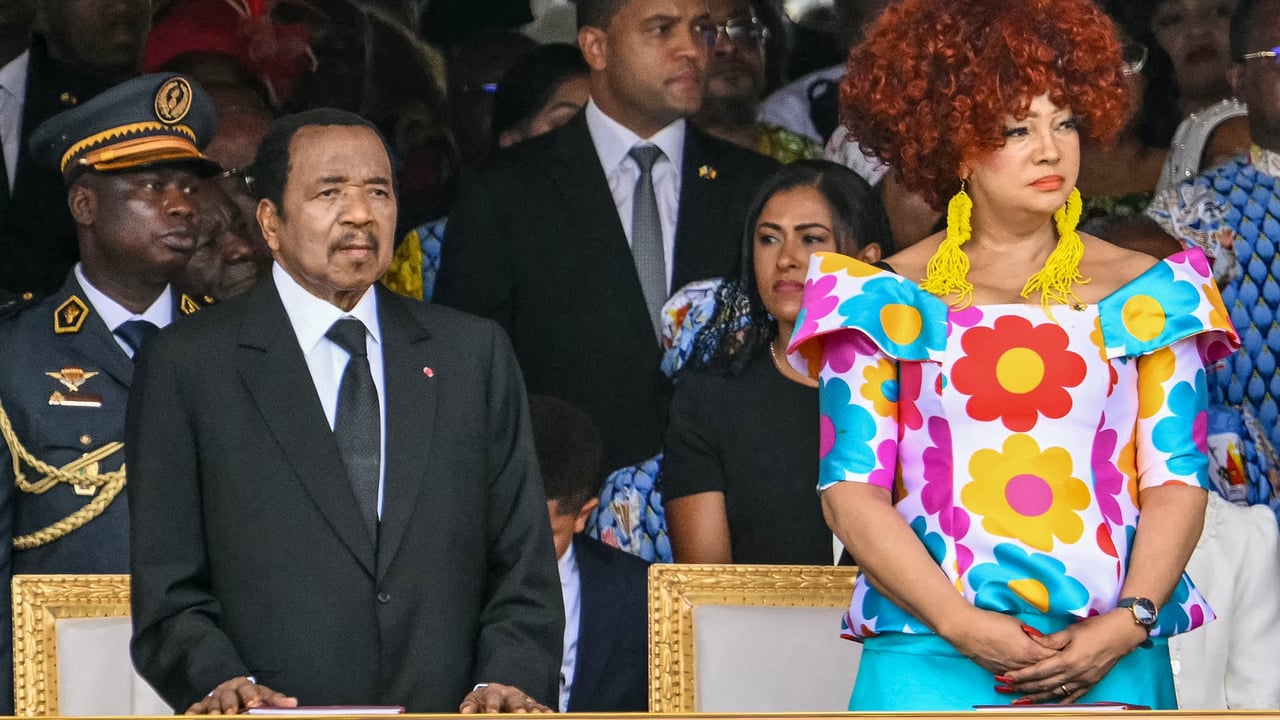
Paul Biya’s wife, Chantal Biya, and other close family members have been seen accompanying him during parts of this trip. Their presence has added another layer of intrigue to the visit, as it raises questions about the role of the First Lady in both domestic and international affairs.
Diplomatic observers note that such high-profile family involvement in official engagements abroad is not uncommon for long-serving leaders. However, it also underscores the importance of understanding the broader context of these trips, particularly in terms of their impact on Cameroon’s international relations and internal governance.
Implications for Cameroon’s leadership
The extended absence of a head of state, especially one who has held power for decades, inevitably raises concerns about governance continuity. Cameroon’s political landscape remains complex, with various factions vying for influence and power.
While Paul Biya has not formally announced any plans to step down, the prolonged nature of his latest trip has led to renewed speculation about the future of the presidency. Analysts suggest that the absence of clear succession plans or transitional mechanisms could pose risks to the country’s stability in the long term.
A nation watching closely
Cameroonians from all walks of life are closely monitoring the situation. The President’s extended stay abroad has become a focal point for discussions about democracy, transparency, and the responsibilities of leadership in the 21st century.
As the days pass, the demand for greater clarity grows louder. Whether through official statements or other means, the expectation is that the government will address the concerns of its citizens and provide reassurance about the nation’s future.
For now, the questions linger, and the silence from official channels continues to fuel debate. One thing is certain: the prolonged stay of Paul Biya in Switzerland has once again placed Cameroon’s leadership under the microscope.