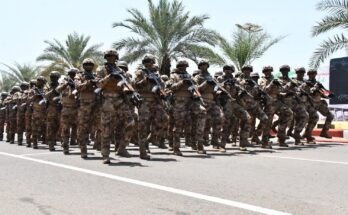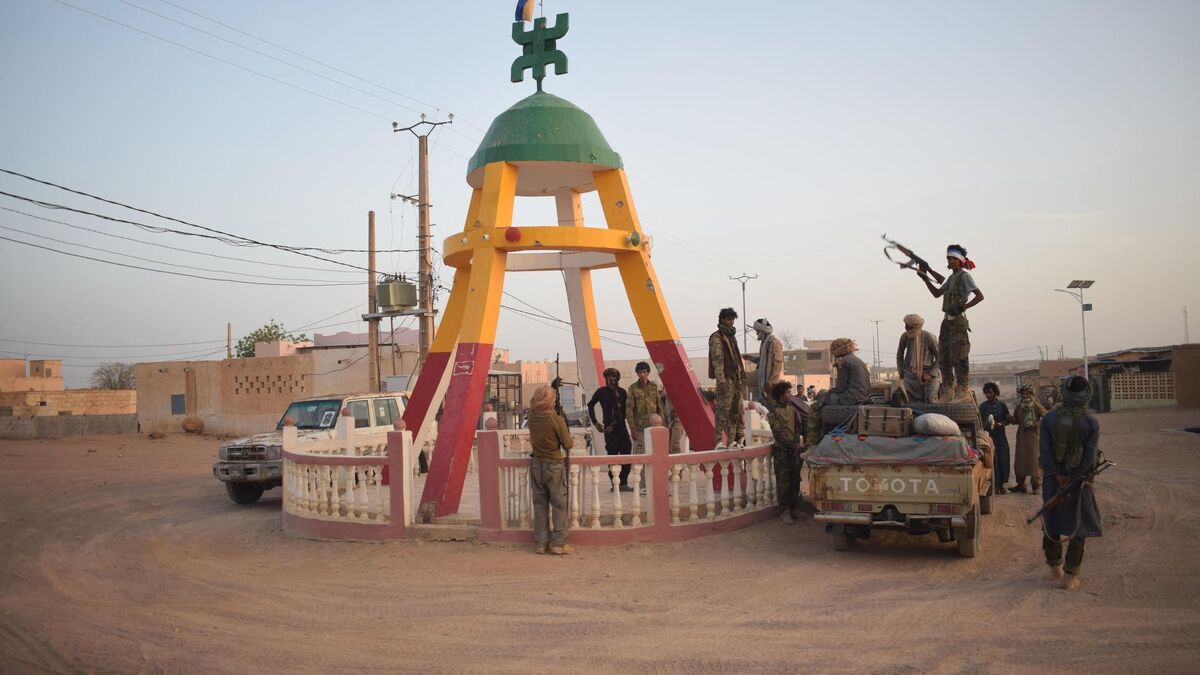
This Africa Corps has emerged as one of Moscow’s most discreet yet formidable military tools in Africa, particularly in the Mali conflict. Over the weekend, this Russian-backed paramilitary group was forced to abandon a key stronghold in Kidal—a strategic hub the junta had controlled for years. Yet despite this setback, Africa Corps remains a critical asset for the Kremlin’s ambitions across the Sahel.
Recent clashes have underscored the group’s shifting fortunes. On April 25, a coordinated assault by jihadist factions and Tuareg rebels targeted multiple positions in and around Bamako, including the residence of Mali’s Defense Minister, who was killed in the attack. Meanwhile, in eastern Mali, the rebels reclaimed Kidal, a pivotal city that had been under Africa Corps’ tight grip since its deployment.
From Wagner to Africa Corps: a strategic pivot
Introduced publicly in late 2023, Africa Corps was conceived as a replacement for the embattled Wagner Group, which had faced internal fractures following the deaths of its co-founders. The new force is structured to absorb Wagner’s personnel and operations across Africa, operating under closer supervision from the Kremlin. According to military analyst Igor Korotchenko, Africa Corps is directly overseen by Russia’s Deputy Defense Minister, Iounous-bek Evkourov.
Its name carries deliberate historical weight—a nod to the Afrikakorps, the Nazi-era German force that operated in North Africa during World War II. But unlike Wagner, Africa Corps has sought to project a more disciplined and state-aligned image, avoiding the latter’s reputation for brutal tactics and human rights abuses.
Africa Corps’ mission in the Sahel
The group’s stated objectives are stark: to conduct large-scale military operations across Africa, assisting allied governments in breaking free from Western influence, eliminating colonial legacies, and securing full sovereignty. This aligns with Moscow’s broader strategy to expand its footprint in the region, particularly as Western powers like France withdraw their military presence.
Since its establishment, Africa Corps has embedded itself in multiple countries, including the Burkina Faso, Libya, Sudan, the Central African Republic, and Niger. In Mali, it has deployed hundreds—if not thousands—of fighters, many of whom were former Wagner operatives who switched allegiance. The group’s role in bolstering the Bamako junta underscores its value as a tool for Kremlin-backed influence, whether through direct military support or control over strategic resources.
Controversies and international scrutiny
Despite its lower profile, Africa Corps has not escaped scrutiny. In 2024, the United Kingdom imposed sanctions on the group, accusing it of “systematic human rights violations” and exploiting African nations’ natural resources for personal gain. The allegations mirror broader concerns about Russia’s expanding security engagements on the continent, often at the expense of local populations.
As Africa Corps continues to navigate the turbulent Sahel landscape, its ability to adapt—while maintaining Moscow’s interests—will determine whether it can solidify its place as Russia’s premier proxy force in Africa.