Years of instability in eastern Democratic Republic of the Congo have taken a new turn, revealing deeper motivations beyond mere conflict resolution. Recent agreements between Kinshasa and rebel factions appear to stall while regional tensions escalate. At the heart of this deadlock lies a dispute over the presence of the FDLR—Forces Démocratiques de Libération du Rwanda—and their role in the conflict.
The Democratic Republic of the Congo insists it has finalized a framework with the FDLR for disarmament, demobilization, and cantonment. Yet Kigali dismisses this initiative as a delaying tactic, asserting that the rebel group remains an active threat. Rwanda claims the FDLR was involved in the 1994 genocide and continues to justify its military presence across eastern Congo, often in coordination with the M23 rebel alliance.
What makes this situation particularly complex is the apparent paradox: despite repeated commitments under the Washington accords to withdraw troops and dismantle armed groups, neither objective has materialized. Why does the promised disengagement keep failing, and what forces are sustaining the chaos in eastern Congo?
Rwanda’s strategy: stabilizing insecurity or expanding influence?
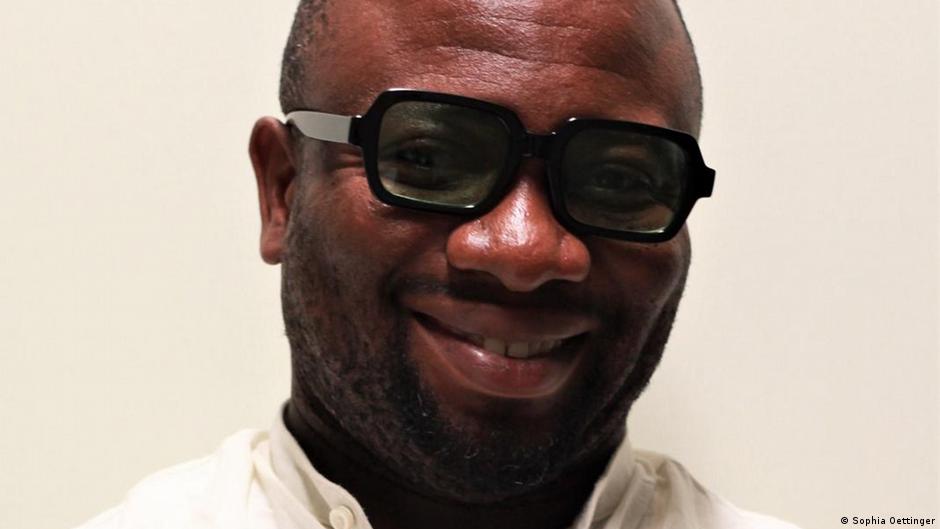
According to Josaphat Musamba, a doctoral researcher at Ghent University in Belgium, the ongoing disorder in eastern Congo is not accidental. He argues that the persistent insecurity serves a broader geopolitical agenda for Kigali. By preventing the Congolese state from asserting control over its eastern territories, Rwanda strengthens its own strategic foothold in the region.
Musamba points out that despite joint military operations by Rwandan Defense Forces (RDF) and M23 rebels, the FDLR have not been fully neutralized. This raises critical questions: If Rwanda truly seeks to eliminate the FDLR, why do they remain active and resilient within zones under their control?
For Musamba, the answer lies in Rwanda’s reluctance to engage in genuine dialogue. He describes Kigali’s approach as disingenuous, suggesting that the status quo benefits Rwanda’s long-term ambitions. By keeping eastern Congo unstable, Rwanda can justify its continued military involvement and expand its influence over local governance structures.
Can dialogue break the cycle of violence?
Kinshasa’s strategy contrasts sharply with Kigali’s military posture. Rather than escalating confrontation, the Congolese government has pursued a policy of persuasion and reintegration with former FDLR members. This contextual approach aims to reduce violence without opening additional military fronts.
Musamba supports this measured approach but warns of its limits. While dialogue may weaken the FDLR as an armed group, it is unlikely to erase their ideological roots—a resistance movement rooted in opposition to the Rwandan regime. The FDLR’s presence, therefore, persists not just as a military challenge but as a political symbol.
This raises a crucial question: Could the FDLR ever disappear completely, or will they remain a lingering shadow over Rwandan-Congolese relations? The answer may depend less on military action and more on whether Kinshasa can assert its authority—and whether Kigali is truly interested in peace.