
Today at 5:55 PM Reading time: 7 minutes.
File generated on
Chad stands at a political crossroads, where mounting repression and deepening internal rifts have left the opposition movement struggling to gain traction against transitional leader Mahamat Idriss Déby Itno. Since taking power in April 2021, the military ruler has systematically clamped down on dissent, silencing critics and marginalizing rivals through legal and extrajudicial means. Opposition figures now face unprecedented challenges in mobilizing support or even operating freely.
Crackdowns stifle dissent across N’Djamena
The capital, N’Djamena, has become a testing ground for the government’s zero-tolerance policy toward opposition activities. Security forces frequently disrupt gatherings, arrest activists under vague charges, and impose travel bans on prominent figures. Recent months have seen a surge in detentions linked to alleged plots against state security, with little transparency in judicial proceedings. Local observers warn that these tactics are designed to instill fear and suffocate public debate.
The opposition’s ability to organize has been severely curtailed. Public demonstrations, once a common sight, are now rare due to heavy police presence and the threat of violent dispersal. Even digital spaces are not immune, as authorities monitor online activity and block access to certain platforms at critical moments.
Key opposition figures under pressure
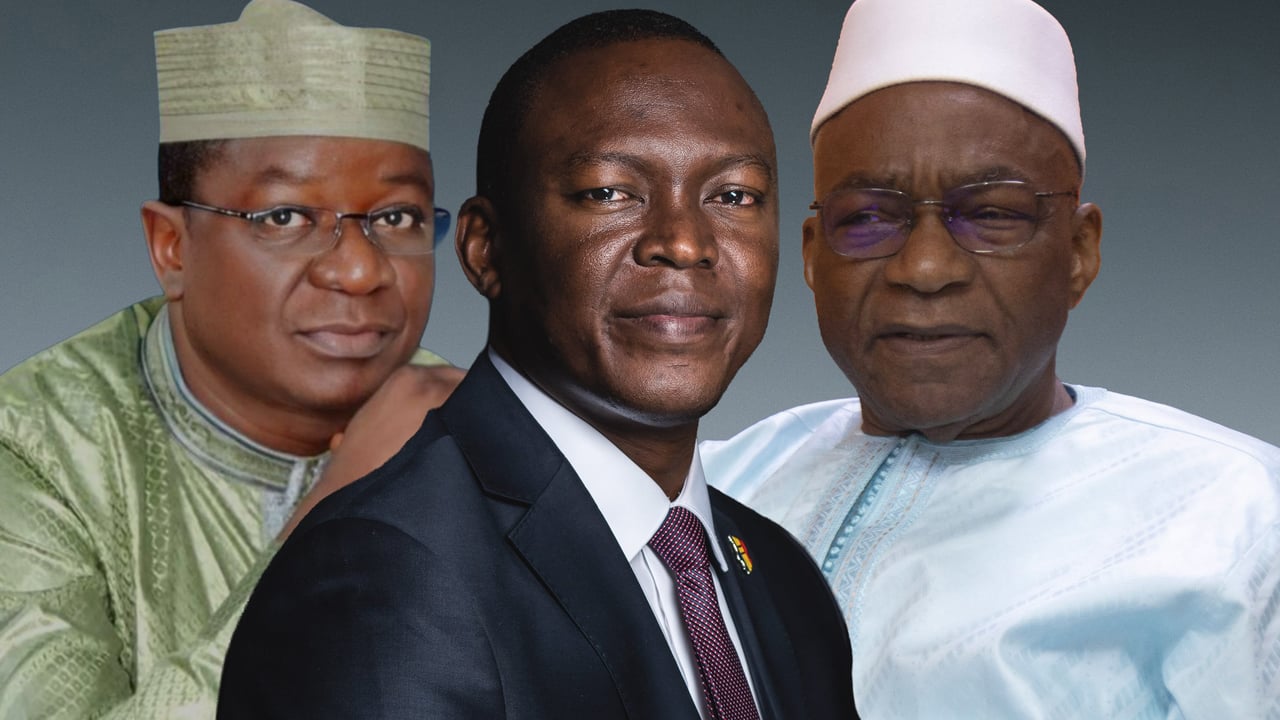
The transitional government has zeroed in on high-profile critics, using a mix of legal maneuvers and administrative hurdles to sideline them. Among those hardest hit are:
- Albert Pahimi Padacké: A former prime minister and presidential candidate, his political party has faced repeated delays in registration, effectively barring him from contesting future elections.
- Succès Masra: Leader of the Les Transformateurs party, he was forced into exile in 2022 after surviving an assassination attempt. His party remains banned, and supporters describe a climate of constant surveillance.
- Saleh Kebzabo: A veteran politician and former presidential contender, Kebzabo has seen his influence wane as authorities freeze assets tied to his network and restrict his movement within the country.
Internal divisions weaken collective action
Beyond external pressures, the opposition is plagued by infighting and clashing agendas. Factions differ on strategy—some advocate for dialogue with the transitional government, while others insist on uncompromising resistance. This lack of unity has made it easier for authorities to isolate and dismantle opposition efforts one by one.
Exiled leaders struggle to maintain cohesion, with communication hampered by government surveillance and limited resources. Meanwhile, those who remain in Chad operate under constant threat, their movements and communications closely monitored. The absence of a unified voice has left a vacuum that the transitional regime has been quick to fill.
What lies ahead for Chad’s political landscape?
The coming months will be decisive in determining whether Chad’s opposition can regroup or if Mahamat Idriss Déby Itno’s grip on power will further solidify. With regional partners watching closely, the international community has yet to take a firm stance, leaving many to question how long the current status quo can endure.
For now, the opposition’s future remains uncertain. One thing is clear: without a shift in tactics or a dramatic change in the political climate, their ability to challenge the status quo appears increasingly bleak.