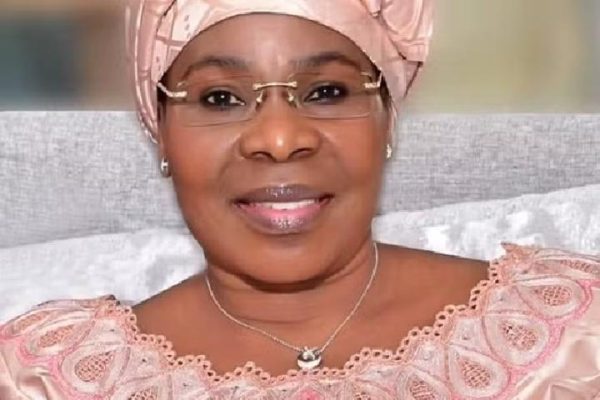
Since July 27, 2026, Togo’s former defense minister has refused all food to denounce the harsh conditions she faces behind bars. Eleven months after her arrest for criticizing President Faure Gnassingbé’s governance, she now embodies the struggle of over sixty political detainees still held without justice.
On August 30, 2025, as Lomé erupted in protests over rising living costs and a constitutional reform that shifted Togo toward a parliamentary system, Essozimna Marguerite Gnakadé took to the streets. The former defense minister—who made history in 2020 as Togo’s first woman to lead the Armed Forces—was briefly detained by security forces before being released. Weeks later, on September 17, 2025, she was arrested for publicly questioning the president’s fitness to govern.
From political insider to prisoner of conscience
Gnakadé’s journey was already extraordinary. Appointed defense minister in October 2020 without a military background, she was also the late Ernest Gnassingbé’s widow—brother of the sitting president. Yet her ties to the ruling elite offered no protection when she chose to stand with the people instead of against them.
“We begin this hunger strike not out of despair, but conviction. When justice remains silent, our bodies become the final cry for freedom.”
Desperate measures in an unjust prison system
Gnakadé’s protest is far from isolated. Over the past year, hunger strikes have become a desperate tool for Togo’s political prisoners to demand dignity. In November 2025, thirty-seven detainees joined a collective fast. By December, activist Grâce Koumayi and dual national Abdoul Aziz Goma endured fifty days without food in Lomé’s civil prison, pressuring authorities to act. Human rights groups now demand urgent medical care for all hunger-striking detainees.
Where do former officials stand behind bars?
Gnakadé’s case is often mentioned alongside those of Kpatcha Gnassingbé and General Félix Kadanga—two former officials with ties to Togo’s power circles. Their fates, however, diverge sharply. Kpatcha Gnassingbé, half-brother of the president and former defense minister, spent sixteen years imprisoned for an alleged coup attempt before receiving a presidential pardon in late December 2025. General Kadanga, once Togo’s top military officer, has served since 2023 on a twenty-year sentence for complicity in a colonel’s murder. Gnakadé remains the only one detained solely for exercising free speech.
Togo’s simmering unrest after constitutional overhaul
Since March 2024, when a new Constitution transformed Togo from a presidential to a parliamentary system, President Faure Gnassingbé has ruled as Council of Ministers chairman—without term limits. Opposition groups condemned the reform as an unconstitutional power grab, fueling the 2025 ‘Gen Z’ youth uprising. The government responded with brutal crackdowns and mass arrests, swelling the ranks of today’s ‘political prisoners.’
A December 2025 presidential pardon freed 1,511 detainees, framed as a peace gesture. Civil society groups, however, estimate around seventy political prisoners remain jailed, including Gnakadé.
NGOs rally for imprisoned activists’ rights
The ‘Don’t Touch My Constitution’ coalition and opposition parties continue pushing for the release of all political detainees. They report at least nine deaths in custody since the repression began, with survivors bearing lasting scars of abuse. Their demands include unconditional releases and guaranteed medical access for hunger strikers like Gnakadé, whose health has deteriorated after eleven months in detention.