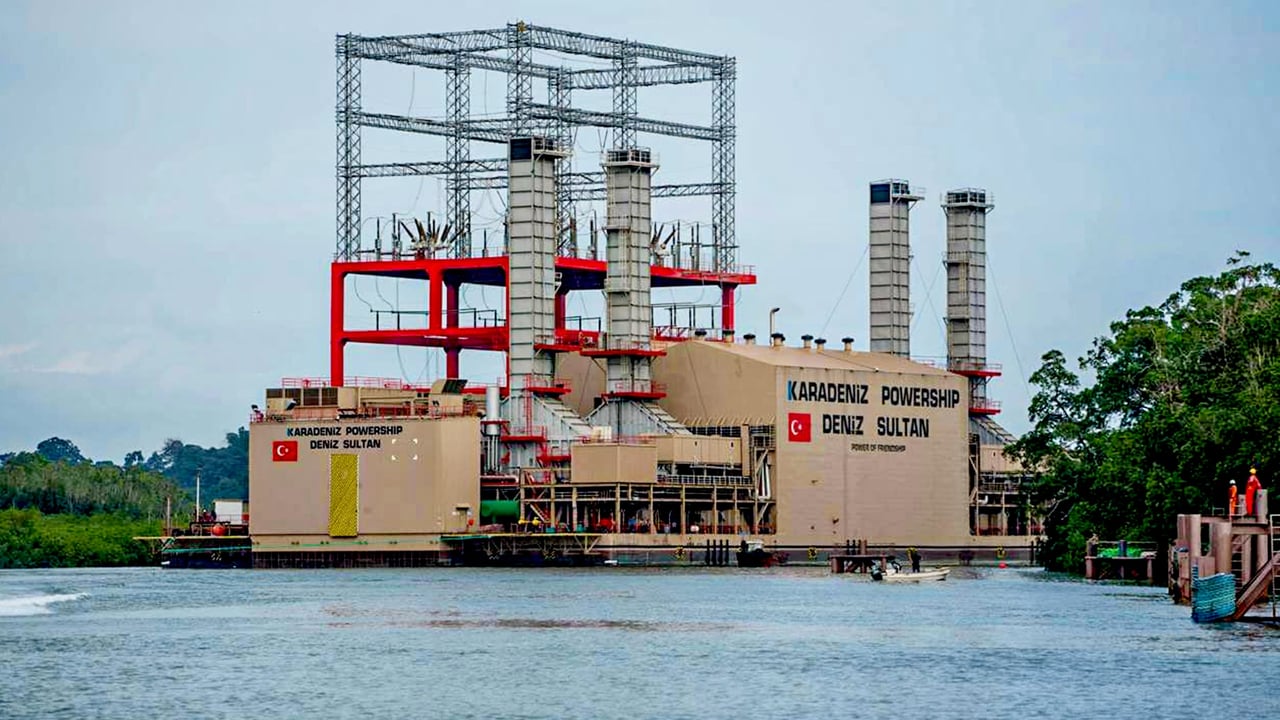
Gabon is taking decisive steps to diminish its dependence on energy solutions provided by Karpowership, a move that signals a broader shift in the nation’s power infrastructure strategy. The initiative reflects Libreville’s determination to enhance energy sovereignty while diversifying its supply chains.

Why Gabon is rethinking its energy partnerships
The Gabonese government has prioritized reducing its reliance on Karpowership for power generation, a decision rooted in both economic and strategic considerations. With Karpowership operating several floating liquefied natural gas (LNG) power plants in the country, Libreville is now exploring alternatives to secure a more stable and cost-effective energy future.
Key factors driving this transition include concerns over long-term contract costs, environmental impact assessments, and the need to bolster domestic energy independence. Officials have highlighted the importance of investing in renewable and locally sourced energy solutions to ensure resilience against global price fluctuations.
New energy projects to replace Karpowership’s role
Gabon is accelerating the development of domestic energy projects to fill the gap left by Karpowership. Among the most notable is the expansion of Société d’Énergie et d’Eau du Gabon (SEEG), the national utility provider, which is ramping up efforts to increase hydroelectric and solar capacity across the country.
The government has also engaged with international partners like EDF to modernize existing infrastructure and introduce cleaner energy technologies. These collaborations aim to reduce carbon emissions while improving energy access for rural and urban populations alike.
Challenges and opportunities in Gabon’s energy transition
Transitioning away from Karpowership does not come without hurdles. Infrastructure upgrades require significant investment, and regulatory frameworks must be strengthened to attract private sector participation. However, the potential benefits—such as lower energy costs, greater energy security, and reduced environmental impact—are driving the momentum behind this shift.
Industry analysts suggest that Gabon’s energy diversification efforts could serve as a model for other African nations seeking to balance economic growth with sustainability. By prioritizing long-term stability over short-term convenience, Libreville is positioning itself at the forefront of a regional energy revolution.