In 2025, Burkina Faso’s healthcare system reached a pivotal moment, achieving groundbreaking advancements despite persistent challenges in security and economic stability. The country made significant strides in expanding healthcare infrastructure, enhancing specialized medical services, and improving financial accessibility to essential health services.
historic medical milestones
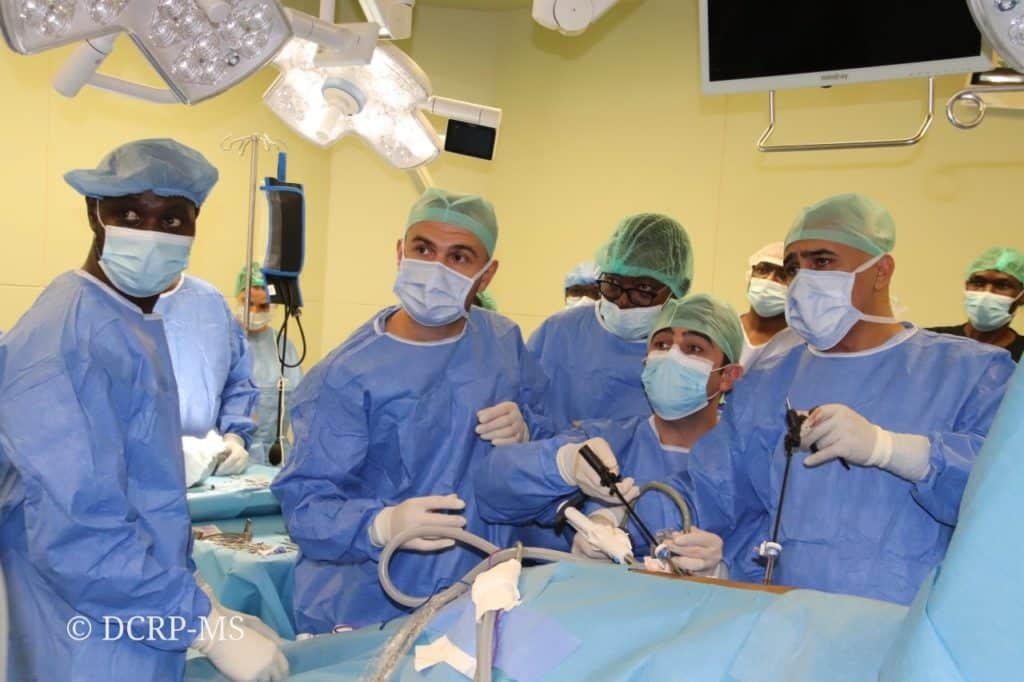
One of the most notable achievements in 2025 was Burkina Faso’s first-ever kidney transplant, performed at the Centre hospitalier universitaire (CHU) Tengandogo. This landmark procedure, the result of collaboration between skilled Burkinabè and Turkish medical teams, represents a major leap forward in treating patients with renal failure.
The success of this operation is expected to drastically reduce the country’s reliance on overseas medical evacuations for such complex treatments, a long-standing issue for Burkinabè patients.
expanding specialized care across the nation
Beyond the capital, the city of Kaya in the Koulpélogo region witnessed another medical triumph. A surgical team led by Dr. Lassané Taoko, a leading neurosurgeon, and assisted by Dr. Fabrice Lompo, an anesthesiologist-reanimator, successfully removed a brain tumor from a patient. This complex neurosurgical intervention underscores the growing capacity of Burkina Faso’s healthcare system to handle advanced medical cases domestically.
modern healthcare infrastructure takes shape
The year also marked the inauguration of the CHU de Pala, a state-of-the-art medical facility equipped with cutting-edge technology. This new hospital significantly boosts specialized care in the region, addressing long-standing gaps in access to high-quality treatment.
Additionally, the opening of the hemodialysis center in Gaoua provided much-needed relief for patients suffering from kidney disease in the Sud-Ouest region, strengthening local healthcare resilience.
making healthcare more affordable
Financial accessibility remained a priority in 2025, with authorities implementing cost-reduction measures for critical medical services. Notable changes included:
- Scanner costs dropped from 50,000 FCFA to 25,000 FCFA (a 50% reduction).
- MRI fees decreased from 100,000 FCFA to 40,000 FCFA (a 60% reduction).
- The 500,000 FCFA deposit for hemodialysis was eliminated entirely.
These reforms aim to ease the financial burden on patients and encourage earlier diagnosis of serious illnesses, ultimately saving lives.
strengthening public health initiatives
Public health efforts in 2025 focused on prevention and reducing maternal and neonatal mortality. The national seasonal malaria chemoprevention campaign successfully reached nearly all children aged 3 to 59 months, significantly lowering severe cases and deaths from this endemic disease.
New mechanisms for tracking and managing preventable maternal and neonatal deaths were also introduced, reinforcing Burkina Faso’s commitment to improving health outcomes for mothers and infants.
structural reforms for a resilient healthcare system
The year was further defined by structural reforms, including:
- Strengthening primary healthcare to ensure broader community access.
- Digitizing community health services to improve efficiency and data management.
- Enhancing tobacco control policies to promote public health and reduce smoking-related illnesses.
While challenges remain, 2025 stands as a testament to Burkina Faso’s dedication to building a more resilient, accessible, and patient-centered healthcare system. The progress achieved reflects a clear vision for a healthier future for all Burkinabè.