
A historic political transition is underway in the Republic of Benin as the nation’s first-ever Senate convened its inaugural session today. The Upper House of Parliament, long a subject of national debate, officially commenced operations following years of deliberation and legislative preparation.
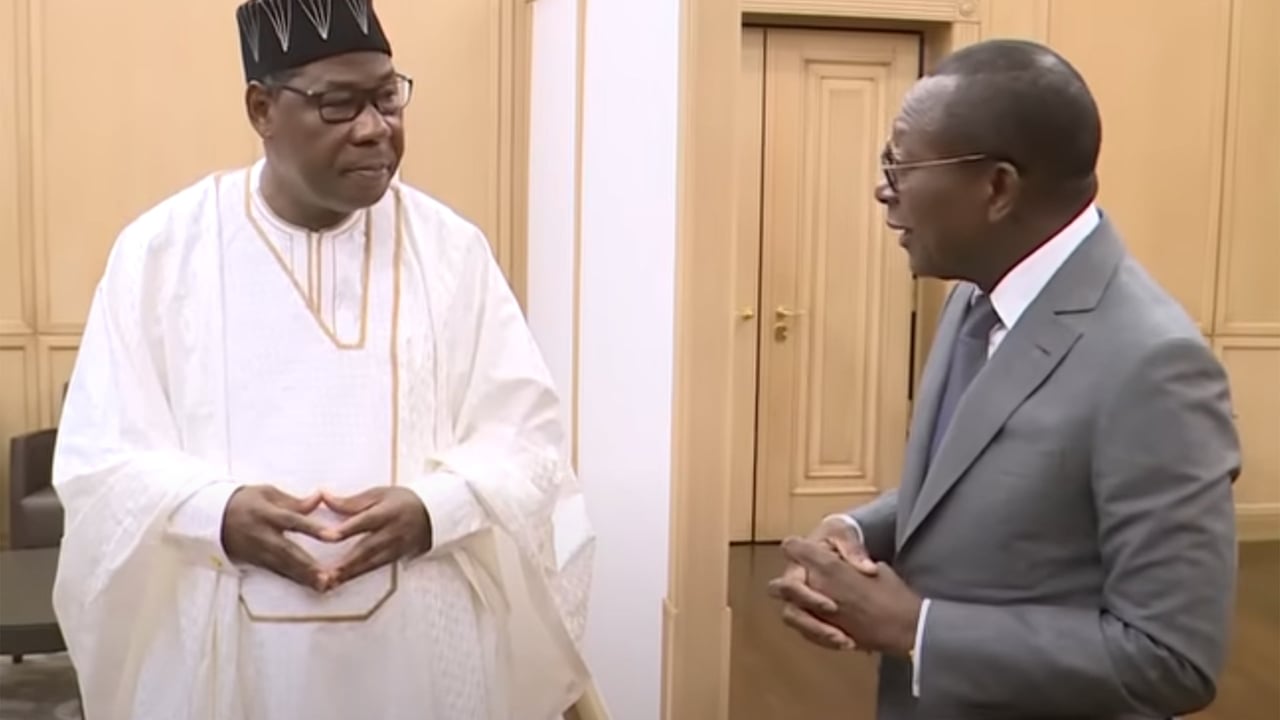
The Senate’s establishment marks a pivotal moment in Benin’s democratic evolution, reflecting the country’s commitment to strengthening its institutional framework. Among the key figures present during the swearing-in ceremony was President Patrice Talon, who emphasized the Senate’s role in deepening governance and fostering inclusive policymaking.
New era of senatorial governance begins
The Senate’s formation comes after extensive constitutional revisions that reintroduced the bicameral system, replacing the previous unicameral National Assembly. This structural shift aims to enhance checks and balances within the government while providing a platform for broader representation.
The newly sworn-in senators, drawn from diverse political backgrounds, will now take on responsibilities that include reviewing legislation, approving national budgets, and overseeing executive actions. Their mandate underscores a renewed focus on accountability and transparency in public affairs.
Leadership and legislative priorities
As the Senate begins its work, all eyes are on its leadership structure and legislative agenda. The chamber’s first order of business is expected to include the election of its president and vice president, followed by the establishment of standing committees to address pressing national issues.
Analysts anticipate that economic development, infrastructure projects, and social welfare reforms will dominate the legislative agenda. The Senate’s role in shaping these policies is seen as critical to Benin’s long-term growth and stability.
Reactions from political stakeholders
The inauguration drew participation from prominent political figures, including former President Thomas Boni Yayi, who attended the ceremony as a key observer. His presence highlighted the significance of the event and underscored the continuity of democratic processes in the country.
Civil society organizations and members of the public have also expressed cautious optimism about the Senate’s potential to bridge gaps in governance and improve citizen engagement. The chamber’s ability to foster dialogue between different political factions will be closely monitored in the coming months.
What lies ahead for Benin’s Senate
With the Senate now operational, Benin takes a significant stride toward consolidating its democratic institutions. The next steps include finalizing internal rules, holding inaugural committee meetings, and initiating legislative sessions to address the nation’s priorities.
The success of this new chapter will depend on collaboration between the Senate, the executive branch, and civil society. As Benin navigates this transformative period, the eyes of the nation—and the international community—remain fixed on its progress.