The Ebola outbreak in the Democratic Republic of Congo (DRC) is escalating rapidly, with over 3,000 confirmed cases and nearly 1,500 fatalities reported by government health authorities. Aid organizations warn that the virus is spreading faster than containment measures can keep up.
Julien Harneis, the United Nations’ lead coordinator for the Ebola response, highlighted that case numbers are doubling every 20 days—a rate far exceeding the emergency response’s capacity. “The gap between transmission and intervention is widening,” he noted during a recent briefing.
Keeping borders open to curb the spread
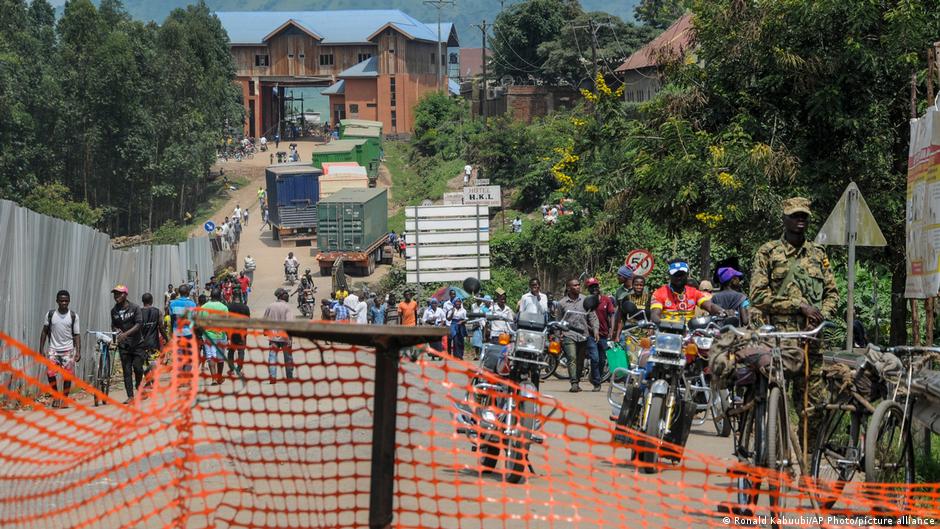
Several nations initially restricted travel or sealed their borders with the DRC in response to the 17th Ebola outbreak in the region. Rwanda, for instance, shut its land crossings entirely before partially reopening them in early July, requiring mandatory handwashing and temperature checks.
Uganda also temporarily closed border posts with the DRC, though exceptions were made for humanitarian aid, security personnel, and commercial shipments. Beyond Africa, Canada announced similar measures in mid-July, barring entry to foreign nationals who had visited the DRC in the past 21 days while suspending certain immigration services for travelers from the DRC, Uganda, and South Sudan.
However, the United Nations stresses that keeping borders open is critical to ensuring the swift delivery of medical supplies, enabling rapid deployment of response teams, and allowing healthcare workers unrestricted movement within the DRC. “Closed borders push people toward unmonitored routes, undermining efforts to track and contain the virus,” UN officials warned.
Ebola’s ripple effect on food security
The World Food Programme (WFP) describes the crisis as a “crisis layered upon a crisis.” The Ituri region, the epicenter of the outbreak, is among the worst-affected areas, with 1.9 million people facing acute food shortages.
“Many patients receive no support from humanitarian organizations or the government. Families are forced to care for them, while food shortages devastate local communities,” explained Butoto Bigiri Naum, head of “Action for Community Development and Well-being” (UGEAFI), an NGO partnering with Help Germany on emergency aid projects in the DRC. He noted that border restrictions have disrupted food supplies and agricultural inputs, making it difficult for farmers to access seeds, tools, and other essentials.
According to the WFP, over 2.65 million people in Ebola-affected zones now face severe food insecurity, including 628,000 in emergency conditions. Women, children, and pregnant women are disproportionately affected by limited access to food.
The outbreak exacerbates food insecurity by restricting movement, causing market shortages, and driving up prices. Farmers, fearful of contagion and labor shortages, are increasingly abandoning their fields, risking long-term crop failures and potential famine.
To mitigate the crisis, the WFP provides food assistance to Ebola patients, their close contacts, frontline workers, and vulnerable households. This support helps families comply with quarantine measures while easing the burden of meeting basic nutritional needs. Additionally, food aid reduces desperate migrations for sustenance and fosters an environment where health interventions can be delivered more effectively.