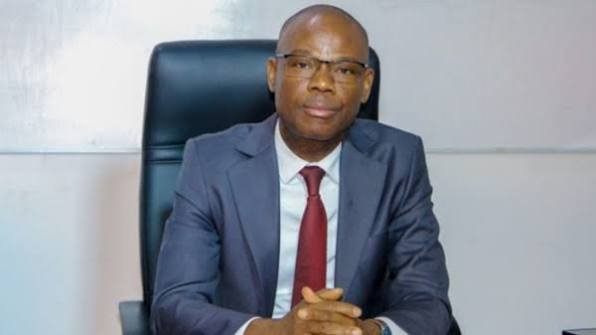
The University of Datcha is set to begin a new chapter in higher education. The Togolese government has officially appointed Professor Essohanam Batchana as the inaugural president of the country’s third public university. This strategic decision marks a pivotal moment for the institution, which is poised to become a center of academic excellence in the Plateaux Region.
Two academic leaders to shape the university’s foundation
Professor Batchana, a distinguished historian and tenured professor specializing in political history and international relations, brings extensive experience to his new role. Prior to this appointment, he served as the Director of Academic Affairs and Admissions at the University of Lomé, where he developed a deep understanding of academic administration and governance. His expertise will be instrumental in establishing the new university’s structure and operational framework.
Joining him in this ambitious project is Professor Kperkouma Walla, a renowned botanist and plant ecologist, who has been named the first vice-president. Together, these two accomplished scholars will spearhead the development of the university’s administrative, scientific, and pedagogical foundations, ensuring a strong start for this emerging institution.
A bold response to Togo’s higher education challenges
Established through a cabinet decision in September 2023, the University of Datcha was created to address two critical needs in Togo’s education sector:
- Alleviating overcrowding in existing universities: The new institution aims to reduce the demographic pressure on the public universities in Lomé and Kara, providing more opportunities for students across the country.
- Boosting local economic growth: By aligning its academic programs with the economic, social, and cultural priorities of the Plateaux Region, the university seeks to foster development and create a skilled workforce tailored to local needs.
The University of Datcha is designed to be forward-thinking, with a curriculum that emphasizes technology, applied sciences, and vocational training. This approach ensures graduates are well-prepared for the evolving demands of the job market, bridging the gap between education and professional success.